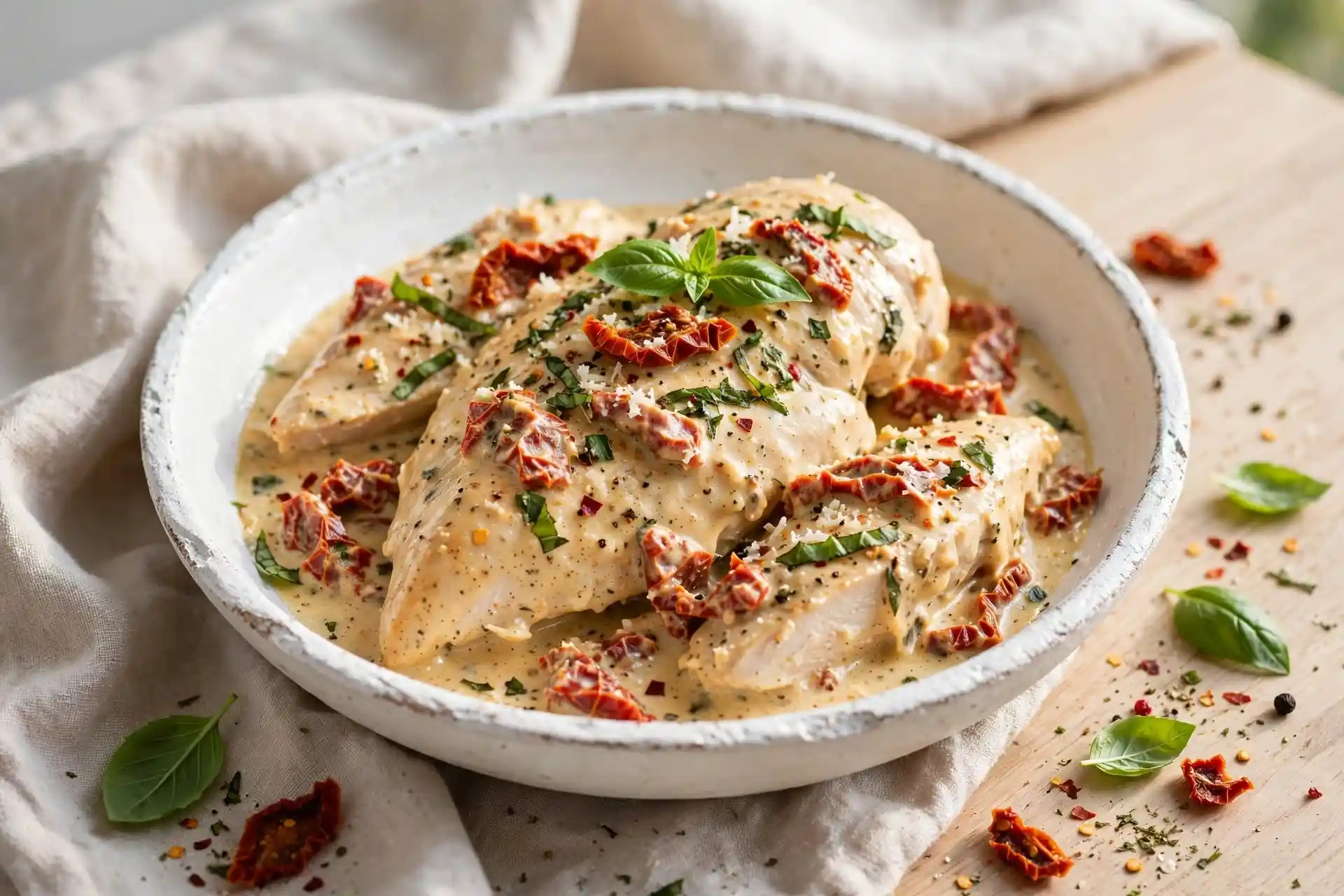
Marry Me Chicken Recipe (Creamy Sun-Dried Tomato Chicken)
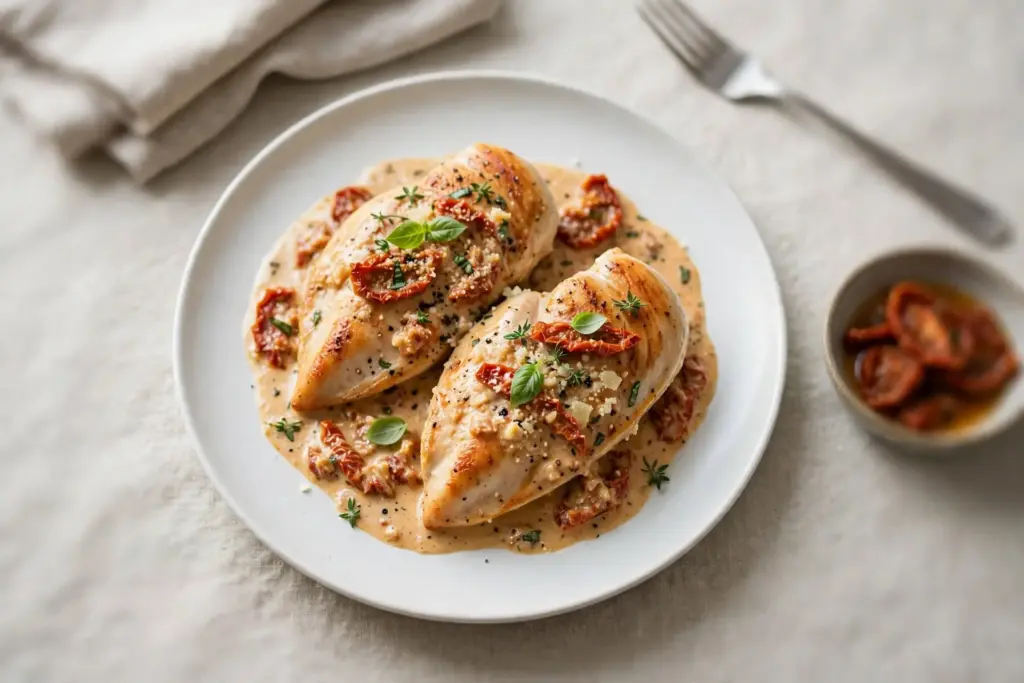
I’ve made marry me chicken often enough that my husband stops asking what’s for dinner the second he smells garlic and parmesan from the hallway. The name promises a proposal, but what it actually delivers is seared chicken breast under a sauce thick enough to spoon over rice, built from sun-dried tomatoes, cream, and parmesan in about the time it takes to boil a pot of pasta.
Most versions online lean on white wine to deglaze the pan, which isn’t something every household keeps around or wants in a family dinner. I use chicken broth and a hit of fresh lemon juice instead, and after testing both side by side more times than I’d like to admit, the lemon does nearly the same job of cutting through the cream without changing the flavor much at all. This version grew out of wanting something I could make on a random Tuesday without a grocery run: one skillet, one cutting board, and about six ingredients most people already have in the fridge.
Why You’ll Love This Recipe
- One skillet start to finish, so cleanup is a sink and a cutting board, not a stack of pans.
- The sauce comes together in under 10 minutes of active cooking once the chicken is seared.
- It reheats without breaking, which puts it ahead of a lot of cream sauces for next-day lunches.
- Rich enough for a date night table, simple enough that it doesn’t need a special grocery trip.
- Drop the red pepper flakes and it’s mild enough for kids who are picky about spice.
- Works over pasta, rice, or just bread, so the same pot of sauce covers a few different dinners through the week.
Quick Information
- Prep time: 10 minutes
- Cook time: 25 minutes
- Total time: 35 minutes
- Servings: 4
- Difficulty: Easy
- Calories: 480 per serving
- Key ingredient: oil-packed sun-dried tomatoes
- Best for: a date night dinner at home, or a Sunday dinner that reheats well for weekday lunches
Nutrition Information
- Calories: 480
- Protein: 34g
- Carbohydrates: 9g
- Fat: 33g
- Fiber: 1g
- Sugar: 4g
- Sodium: 620mg
- Serving size: 1 chicken breast with sauce (about 300g)
- Servings per recipe: 4
Most of the protein here comes straight from the chicken breast, while the fat is mainly the cream and parmesan doing the work in the sauce. Because there’s no flour or cornstarch thickener, the carb count stays low, closer to what you’d expect from a keto-friendly cream sauce than a typical pasta dish.
Nutrition information is an estimate based on the specific ingredients and brands used in testing. Your numbers may vary depending on the products you choose.
Ingredients
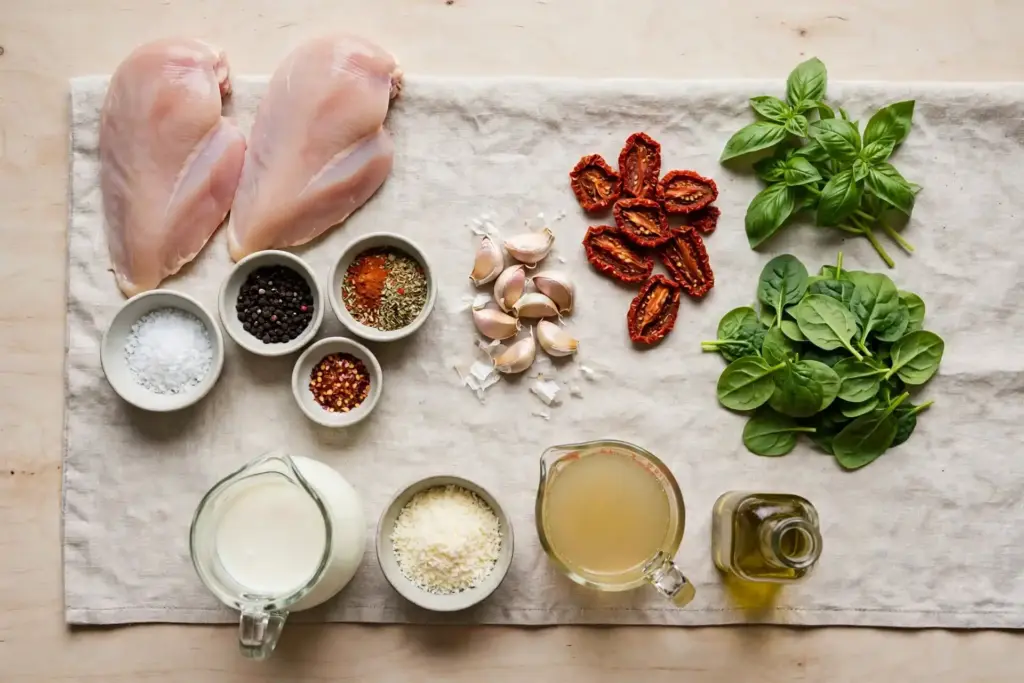
For the chicken:
- 4 boneless, skinless chicken breasts (about 6 oz each), pounded to an even ¾-inch thickness
- 1 teaspoon salt
- ½ teaspoon black pepper
- 1 teaspoon garlic powder
- 2 tablespoons olive oil
For the sauce:
- 4 cloves garlic, minced
- ½ cup oil-packed sun-dried tomatoes, drained and chopped
- 1 cup chicken broth
- 1 tablespoon fresh lemon juice
- ¾ cup heavy cream
- ½ cup parmesan cheese, freshly grated
- 1 teaspoon Italian seasoning
- ¼ teaspoon red pepper flakes (optional)
- Fresh basil, chopped, for garnish
A note on two ingredients: use oil-packed sun-dried tomatoes rather than the dry, shelf-stable kind. The oil-packed ones are already soft and carry more flavor into the sauce without needing to be rehydrated first. And grate the parmesan off a block yourself if you can. Pre-shredded parmesan is coated in an anti-caking starch that keeps it shelf-stable, but that same starch stops the cheese from melting smoothly into a cream sauce, which is how you end up with a grainy texture instead of a silky one.
If sun-dried tomatoes aren’t available, roasted red peppers chopped small will get you a similar sweetness, though you’ll lose some of the tang. Half-and-half can stand in for heavy cream in a pinch, but the sauce will be noticeably thinner and won’t cling to the chicken the same way.
Equipment Needed
- A large cast iron or stainless steel skillet, at least 12 inches, so the chicken sears instead of steams
- An instant-read thermometer, since color alone is not a reliable way to check chicken doneness
- A meat mallet or rolling pin for pounding the chicken to an even thickness
- A box grater for freshly grated parmesan
- Tongs for flipping the chicken without piercing it and losing juices
Preparation
Pound the chicken breasts between two sheets of plastic wrap until they’re an even ¾ inch thick throughout. Uneven thickness is the main reason chicken breast turns out dry on one end and undercooked on the other, so this step matters more than it looks like it does. Pat the chicken dry with paper towels, then season both sides with salt, pepper, and garlic powder.
Mince the garlic and chop the sun-dried tomatoes before you turn on the stove. Measure out the broth, lemon juice, and cream into separate small bowls or cups. This sauce moves fast once it starts, and there isn’t really time to be measuring cream while garlic sits in a hot pan, so having everything portioned out ahead of time keeps the whole process from feeling rushed.
Step-by-Step Instructions
- Heat the olive oil in a large skillet over medium-high heat until it shimmers and moves easily across the pan, about 2 minutes.
- Lay the chicken breasts in the skillet without crowding them. Sear for 5 to 6 minutes per side, until a deep golden crust forms and the internal temperature reaches 165°F. Transfer the chicken to a plate and tent loosely with foil.
- Drop the heat to medium. Add the minced garlic to the same skillet and stir for about 30 seconds, just until it smells fragrant. Pull it off the heat immediately if it starts to turn past light golden, since burnt garlic will make the whole sauce taste bitter.
- Pour in the chicken broth and lemon juice, scraping the bottom of the pan with a wooden spoon to lift up the browned bits left from searing. Add the chopped sun-dried tomatoes and let the liquid bubble for 1 minute.
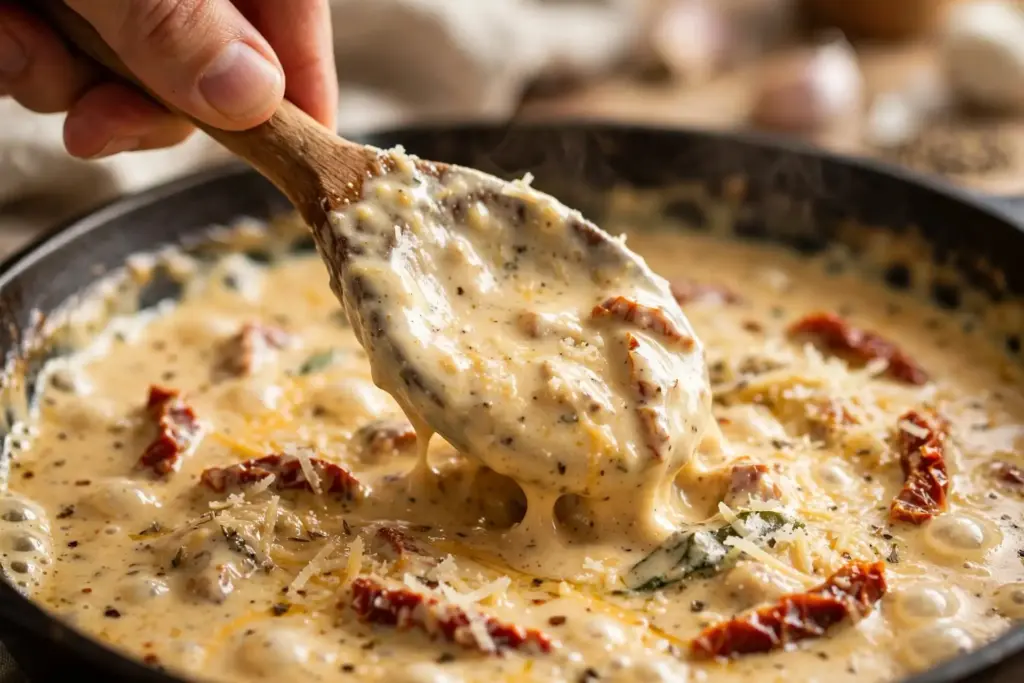
- Lower the heat slightly and stir in the heavy cream, parmesan, Italian seasoning, and red pepper flakes if using. Simmer gently, stirring often, for 4 to 5 minutes, until the sauce thickens enough to coat the back of a spoon and hold a line when you drag a finger through it.
- Return the chicken and any juices from the plate back into the skillet. Spoon sauce over each piece and simmer for 3 more minutes, until the chicken is heated through and the sauce has reduced to a consistency you could ladle without it running thin.
- Remove from heat, scatter fresh basil over the top, and let the pan rest for 2 minutes before serving. This short rest lets the sauce settle and the chicken reabsorb some of its juices.
Chef’s notes:
- If the sauce still looks thin after 5 minutes of simmering, that’s a reduction problem, not a heat problem. Let it go another 2 minutes rather than cranking the burner, or the cream can scorch on the bottom.
- Deglaze while the pan is still hot enough that the broth hits it with a real sizzle. That sound is what tells you the browned bits are actually lifting off the bottom.
- A cold cast iron pan straight from the stovetop can keep cooking the sauce even after you pull it off the burner, so move it to a cool part of the stove once it hits the right thickness.
Expert Tips & Tricks
- The first time I made this, I added the cream straight into a pan still ripping hot from searing and watched it separate into little oily pools within about a minute. Pulling the pan off the heat for 30 seconds before adding cream fixes this every time.
- To make ahead, sear the chicken and build the sauce base through the broth-and-tomato step up to a day in advance. Reheat the base gently, then stir in the cream and parmesan fresh right before serving.
Kitchen tip: Grate your parmesan straight off the block and add it in small handfuls, stirring between each one. Dumping it all in at once is a common reason the cheese clumps instead of melting smoothly.
- Portion leftovers into individual containers rather than one large one. A cream sauce reheats more evenly in a shallow, single-serving portion than it does in a deep container where the middle stays cold.
- If the sauce ever looks split or greasy on top, a hard whisk with a spoonful of cold cream added off the heat will usually pull it back together.
- Buy sun-dried tomatoes already chopped, or run them through a mini food processor while the chicken sears, to save a few minutes of prep.
Common Mistakes & Troubleshooting
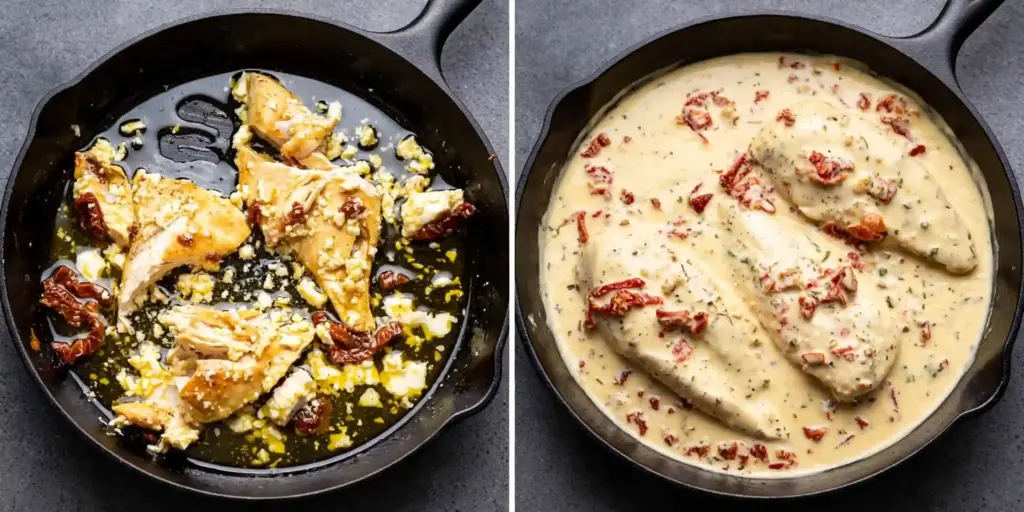
The sauce breaks or looks greasy. This happens when cream hits a pan that’s still too hot from searing, and the fat separates from the liquid almost instantly. Pull the pan off the burner for about 30 seconds before pouring in the cream, and keep the heat at medium or lower once it’s in.
The chicken turns rubbery. This is almost always a matter of a few extra minutes past done. Chicken breast goes from juicy to tough surprisingly fast once it passes 165°F, so an instant-read thermometer is worth the ten seconds it takes rather than guessing by cook time alone.
The sauce tastes flat. Skipping the lemon juice, or using bottled juice instead of fresh, is the usual reason. The fresh acid is what’s doing the job wine would normally do in this dish, cutting through the richness of the cream, and bottled lemon juice doesn’t carry the same brightness.
The garlic turns bitter. Thirty seconds in the pan is genuinely enough. Garlic left in even one minute too long, especially over medium-high heat, turns bitter fast and that bitterness spreads through the whole sauce.
The parmesan turns grainy. Adding cheese to liquid that’s actively boiling causes the proteins to seize up instead of melting smoothly. Lower the heat to a gentle simmer before adding the parmesan, and stir it in gradually.
Read Also: chicken parmesan recipe
Storage Instructions
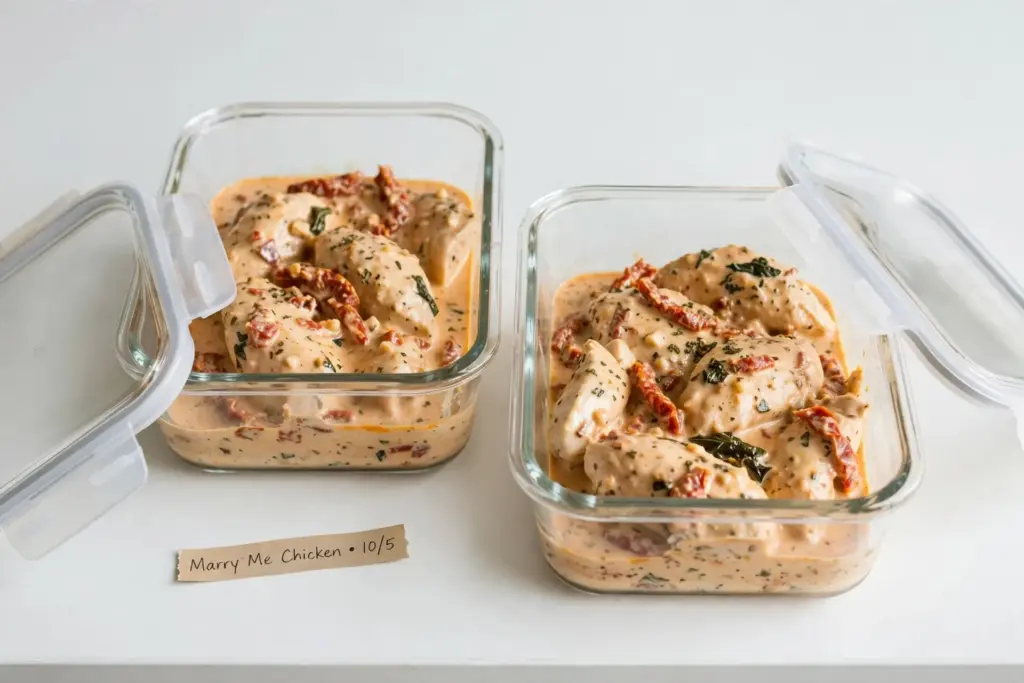
Let the chicken and sauce cool to room temperature for no more than an hour before refrigerating, then move it into an airtight container. It keeps well in the fridge for up to 4 days. I don’t recommend freezing this one; the cream sauce tends to separate once thawed and no amount of reheating fully brings it back together.
To reheat, warm it gently in a skillet over medium-low heat with a splash of chicken broth stirred in, which loosens the sauce back to its original consistency. The microwave works too, in short 30-second bursts, stirring between each one so the sauce doesn’t overheat and break.
Storage tip: If you’re making this ahead for the week, portion it into single servings before refrigerating rather than one big dish. It reheats far more evenly that way, and you’re not left microwaving one giant container hoping the middle catches up to the edges.
Variations & Substitutions
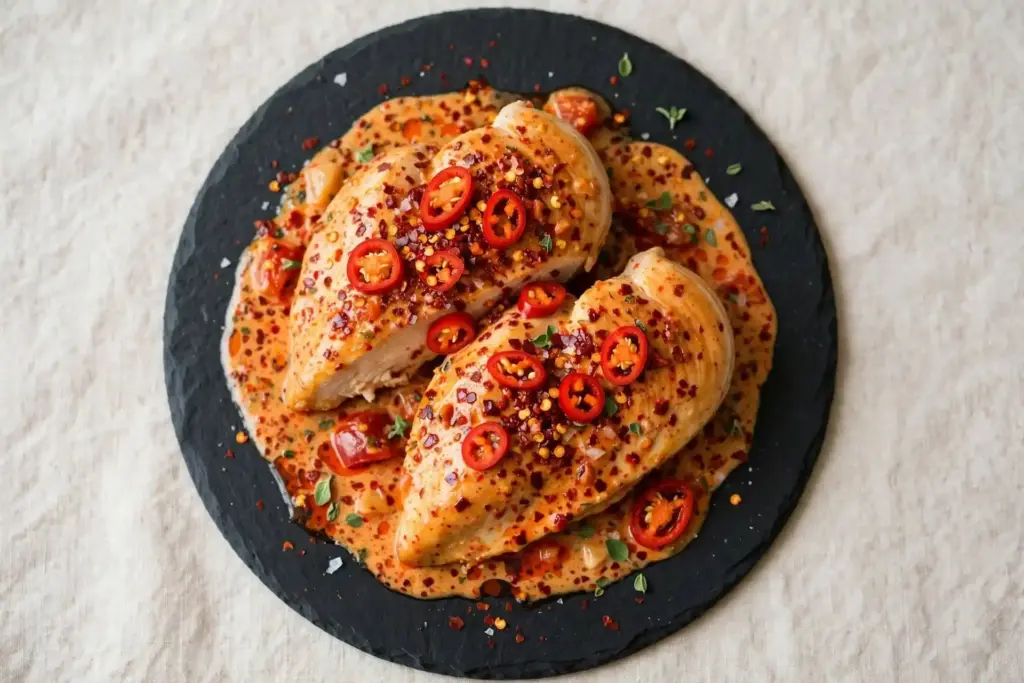
Spicy version: Double the red pepper flakes and stir in a teaspoon of chopped calabrian chilies along with the sun-dried tomatoes for real heat rather than just background warmth.
Mild, kid-friendly version: Skip the red pepper flakes entirely and cut the garlic to two cloves. The sauce stays just as creamy without any bite.
Vegetarian version: Swap the chicken for extra-firm tofu, pressed and pan-seared the same way, or thick cauliflower steaks seared until browned on both sides. The sauce recipe stays identical.
Read Also: chicken pot pie
Gluten-free: This recipe is naturally gluten-free as written, since there’s no flour thickener involved. Just double-check that your chicken broth and parmesan are labeled gluten-free, since a few brands process on shared lines.
Other swaps: Half-and-half works in place of heavy cream if you want something lighter, though expect a thinner sauce. Chicken thighs can replace breasts for a richer, more forgiving cut that’s harder to overcook.
Serving Suggestions
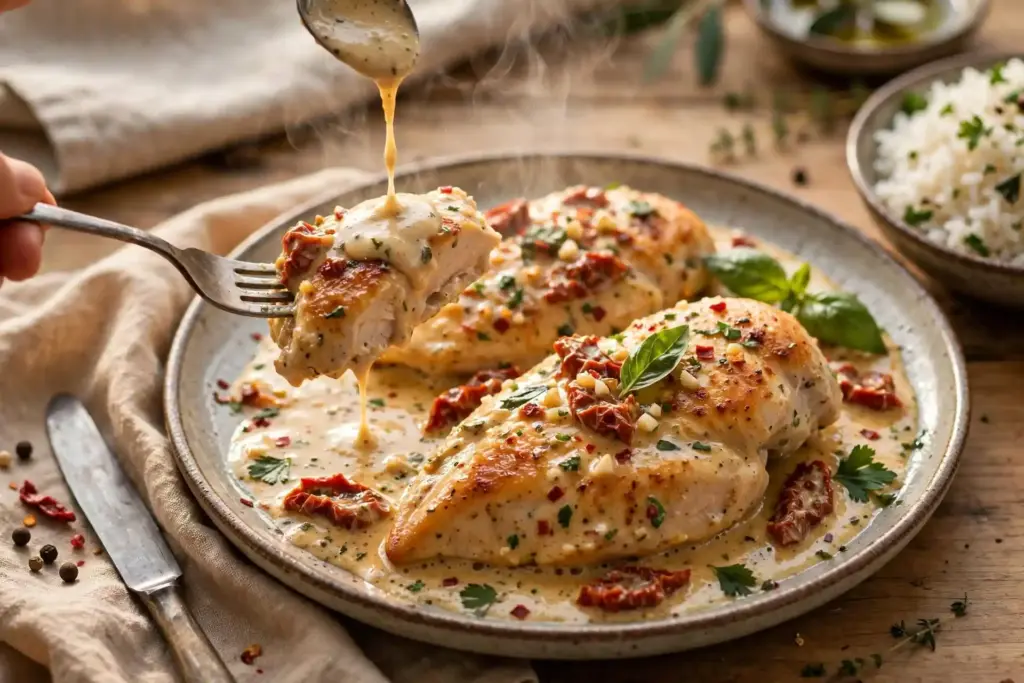
Angel hair or fettuccine soaks up the sauce well, twirled right into the skillet after the pasta is drained. For a lower-carb option, serve it over rice or alongside roasted asparagus, which cooks in about the same 20 minutes as the chicken if you start it in the oven right after searing.
A loaf of crusty bread earns its place at this table too, mainly for scraping up whatever sauce is left in the pan once the chicken is gone. A simple side salad with a sharp vinaigrette cuts through the richness of the sauce and rounds out the plate without much extra effort.
Read Also: ground chicken recipes
Frequently Asked Questions
Can I make marry me chicken ahead of time?
Yes, and it holds up better than most cream sauces. Sear the chicken and build the sauce through the broth and tomato step up to a day ahead, then refrigerate. When you’re ready to eat, reheat the base gently and stir in the cream and parmesan fresh, which keeps the texture smooth instead of reheating an already-finished cream sauce twice.
Why did my sauce separate or turn greasy?
This almost always comes down to temperature. Cream added to a pan still ripping hot from searing chicken will split within seconds. Pull the skillet off the burner for about 30 seconds before pouring in the cream, then keep the heat at medium or lower for the rest of the cook.
Can I use chicken thighs instead of chicken breasts?
Yes, and thighs are actually a bit more forgiving here. They stay juicy even if you go a minute or two past 165°F, unlike breast meat, which turns rubbery fast once it’s overcooked. Sear them the same way, just check for doneness a little earlier since thighs are usually thinner.
How do I know when the chicken is fully done?
Use an instant-read thermometer inserted into the thickest part of the breast and look for 165°F. Color alone isn’t reliable since chicken can look done on the outside while still pink near the bone side. Once it hits temperature, pull it immediately rather than leaving it in the pan.
Why is it called marry me chicken?
The name comes from the idea that the sauce is good enough to inspire a marriage proposal at the dinner table, a claim that shows up across a lot of recipe blogs and cooking forums. Nobody can point to one exact origin, but the dish itself, sun-dried tomatoes, cream, and parmesan over seared chicken, earned the name through word of mouth rather than any single chef.
Conclusion
Marry me chicken earns its reputation honestly. It’s a genuinely fast dinner that doesn’t taste like one, built from a handful of ingredients that most kitchens already have on hand, and it holds up for leftovers in a way a lot of cream sauces don’t. I keep coming back to the broth-and-lemon version because it skips the wine without losing the tang that makes the sauce work, and it means I can make this on a Tuesday as easily as a Friday. Once you’ve got the timing down for the sear and the sauce, this becomes one of those recipes you don’t need to look up again. Save it now so it’s easy to find the next time garlic and parmesan sound like exactly what dinner needs.




2 Comments
Comments are closed.